Plasticizers

Dimethyl glutarate (BPM-054618)
- CAS: 1119-40-0
- Molecular Weight: 160.17
- Molecular Formula: C7H12O4

Triethyleneglycoldiacetate (BPM-008996)
- CAS: 111-21-7
- Molecular Weight: 234.24
- Molecular Formula: C10H18O6

1-Oleoyl-rac-glycerol (BPM-295231)
- CAS: 111-03-5
- Molecular Weight: 356.54
- Molecular Formula: C21H40O4

Diethyl Sebacate (BPM-008952)
- CAS: 110-40-7
- Molecular Weight: 258.36
- Molecular Formula: C14H26O4

DMS (BPM-008838)
- CAS: 106-79-6
- Molecular Weight: 230.3
- Molecular Formula: C12H22O4

DBE-4 dibasic ester (BPM-294455)
- CAS: 106-65-0
- Molecular Weight: 146.14
- Molecular Formula: C6H10O4

dipropyl adipate (BPM-008824)
- CAS: 106-19-4
- Molecular Weight: 230.3
- Molecular Formula: C12H22O4

dibutyl adipate (BPM-053768)
- CAS: 105-99-7
- Molecular Weight: 258.36
- Molecular Formula: C14H26O4

Dibutyl maleate (BPM-294271)
- CAS: 105-76-0
- Molecular Weight: 228.28
- Molecular Formula: C12H20O4

Dibutyl fumarate (BPM-008814)
- CAS: 105-75-9
- Molecular Weight: 228.29
- Molecular Formula: C12H20O4

DODECANEDIOIC ACID DIETHYL ESTER (BPM-223208)
- CAS: 10471-28-0
- Molecular Weight: 286.41
- Molecular Formula: C16H30O4

Nonanedioic acid,1,9-bis(2-ethylhexyl) ester (BPM-046717)
- CAS: 103-24-2
- Molecular Weight: 412.73
- Molecular Formula: C25H48 O4

Bis(2-ethylhexyl) adipate (BPM-293635)
- CAS: 103-23-1
- Molecular Weight: 370.57
- Molecular Formula: C22H42O4

Diethylene glycol ethyl methyl ether (BPM-385530)
- CAS: 1002-67-1
- Molecular Weight: 148.20014
- Molecular Formula: C7H16O3

Diacetyllauroyl Glycerol (BPM-366534)
- Molecular Weight: 358.5
- Molecular Formula: C19H34O6
Diacetyllauroyl Glycerol (so called) [Plasticizer] (BPM-366530)
- Molecular Weight: 358.47
- Molecular Formula: C19H34O6
Heptylnonyl Adipate (BPM-366533)
- Molecular Weight: 370.6
- Molecular Formula: C22H42O4
Introduction
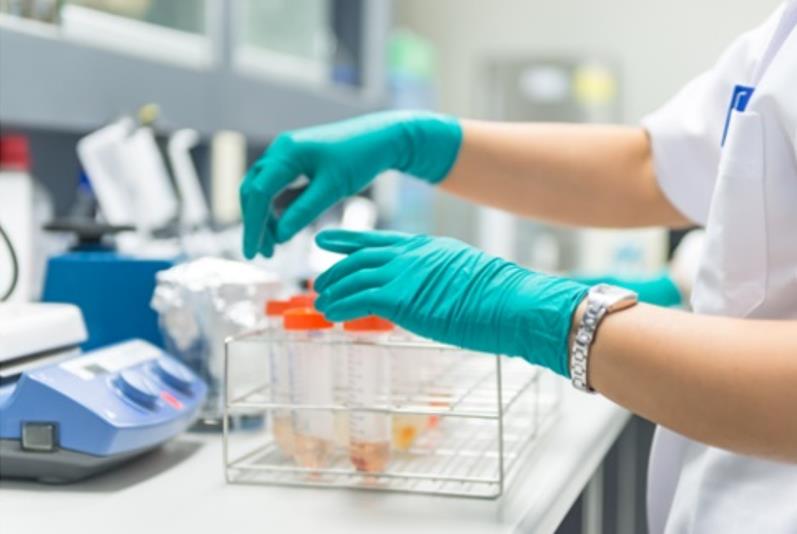
Polymer plasticizer is a polymer material additive widely used in industrial production. The use of polymer plasticizers can improve the properties of polymer materials, including making polymers flexible and lowering the glass transition temperature of polymers.[1] The polymer plasticizer in the plasticizing process of plastic can be regarded as the process of mutual dissolution of resin and plasticizer low molecular compound. However, compared with general solvents, plasticizers are required to remain in the polymer for a long time.[2]
Function of Plasticizer
Plasticizers can reduce the viscosity of polymers, improve the processing properties of polymers and their mixtures, reduce the frosting and crystallinity of products, and increase the biodegradability of plasticized products. Adding biodegradable plasticizers to biodegradable substances can accelerate the degradation rate of biodegradable products. Plasticizers can also increase the elongation of the polymer, reduce the tensile strength, increase the toughness of the polymer, improve the impact resistance, and increase or decrease the electrical conductivity or insulation of the product. In addition, plasticizers can also change the structure of polymers, soften the plasticized substances, and change the fluid characteristics of polymers, especially for products with high polymer content.
Application
Based on its excellent properties, plasticizers are widely used in construction industry, coating field, food packaging industry and others.
- Construction Industry
The higher the water content of concrete used in the construction industry, the better its fluidity and workability. However, when there is enough water in the concrete, the strength of the concrete after setting is inversely proportional to the water content. Plasticizers can reduce the water content of concrete without affecting its workability, and at the same time increase the strength of concrete.
- Coating Field
Adding a plasticizer to the resin coating can increase the flexibility of the coating film, improve the adhesion, and overcome the shortcomings of the coating film being hard and brittle. In addition, plasticizers can also improve the preparation process performance of coatings. The plasticizer used for resin coating should have good compatibility with the resin, which requires the plasticizer to have properties such as heat resistance, light resistance, cold resistance, weather resistance, and low volatility.
- Food Packaging Industry
Common food packaging materials include polyethylene (PE) and polyvinyl chloride (PVC). Among them, a large amount of plasticizer is added to the PVC plastic wrap to make the PVC material soft and increase the viscosity. Presently, plasticizers have been widely used in fresh food packaging.
References
- Gu, N. et al. The synthesis of a novel plasticizer and its application in polymer electrolytes. Advanced Materials Research. Vol. 531.
- Bodaghi, A. An overview on the recent developments in reactive plasticizers in polymers. Polymers For Advanced Technologies. 2020, 31(3): 355-367.