Tissue Engineering & Regenerative Materials

Modified bovine gelatin type B-PEG-Cys (BPM-504933)
- Molecular Formula: (C37H59O11N12)n (C2H4O)nC3H6ONS


mPEG functionalized gelatin (BPM-504590)
- Molecular Formula: (C32H50N9O12-)m(CH2CH2O)n


Tyramine functionalized gelatin (BPM-504864)
- Molecular Formula: (C37H52N9O12)n
Tissue engineering and regenerative materials provide structural matrices and biological components for developing scaffolds, three-dimensional culture systems, and experimental tissue models. These materials range from source-defined proteins and extracellular matrices to processed or functionalized scaffold ingredients. BOC Sciences supports sourcing and preparation of collagen, gelatin, extracellular matrix materials, silk fibroin, elastin-related materials, and associated matrix components, with customization and characterization options for defined research projects. Explore protein-based matrices, natural polymer ingredients, synthetic scaffolds, and composite materials for tissue engineering and regenerative research.
Matrices & Scaffold Material Families
Tissue engineering materials range from defined polymer ingredients to complex biological matrices and fabricated structures. Material source, molecular identity, processing, and supplied geometry define how each candidate enters an experimental workflow.
Collagen & Gelatin Matrices
Collagen and gelatin provide protein-based starting materials for gels, sponges, films, and porous matrices. Collagen type, source, extraction, and structural condition distinguish the product from denatured gelatin or small peptide fractions.
- Animal-derived type I or type II collagen requirements
- Gelatin-based matrix and scaffold ingredients
- Crosslinked protein matrices and composite formulations
Intact collagen, gelatin, and collagen-derived peptides have different molecular structures and material-forming behavior.
Recombinant Collagen Materials
Recombinant collagen-related products may contain full chains, selected domains, repeated motifs, or defined fragments. Sequence and assembly characteristics establish the identity and intended matrix-development role of the construct.
- Type I-, type III-, and other sequence-defined construct requests
- Full-chain versus fragment specifications
- Source, modification, and structural-characterization requirements
Recombinant proteins and peptide fragments are associated with the broader Natural Polymers & Derivatives portfolio.
ECM & Decellularized Matrices
ECM extracts and decellularized tissue matrices provide complex mixtures or structures derived from a defined biological source. Tissue origin and processing affect composition, architecture, and residual components.
- ECM extracts and matrix ingredients
- Decellularized matrix powders, sheets, and other forms
- Tissue-source and processing-history requirements
Residual cellular material, process chemicals, and matrix preservation are separate characterization questions.
Silk Fibroin & Elastin Materials
Silk fibroin, elastin-derived materials, and elastin-like polypeptides provide different protein platforms for scaffold and matrix research. Origin, molecular identity, and assembly or crosslinking influence performance.
- Silk fibroin solutions and processed matrix forms
- Elastin-derived materials and defined recombinant constructs
- Protein blends and modified derivatives
Native proteins, hydrolyzed fractions, and designed polypeptides are specified by their actual composition and structure.
Natural Polymer Matrices
Alginate, chitosan, hyaluronic acid, cellulose, and related derivatives contribute hydration, network formation, or structural features to scaffold formulations. Blending and functionalization combine different material roles.
- Polysaccharide gels and porous matrices
- Modified polymer precursors
- Protein-polysaccharide composite systems
Hydrogels & Hydrogel Precursors connect these ingredients with defined crosslinking systems.
Synthetic & Composite Scaffolds
PLGA, PLA, PCL, and other polymers provide processable backbones for fibrous and porous constructs. Protein, polysaccharide, and inorganic components add complementary chemical or structural features.
- Polyester fibers, films, and porous scaffolds
- Polymer-protein and polymer-polysaccharide blends
- Ceramic-filled and other composite matrices
Biodegradable Polymers and Bioceramics & Bioactive Glass support related composite-development inquiries.
Matrix Ingredients & Processed Scaffold Forms
An ingredient and a finished research construct have different specifications. Supplied state and processing determine which structural attributes can be evaluated directly on the delivered material.
| Supplied Form | Typical Development Role | Relevant Attributes |
|---|---|---|
| Powder, soluble protein, or polymer precursor | Starting ingredient for formulation and fabrication | Identity; molecular characteristics; concentration or reconstitution information |
| Hydrated matrix or gel formulation | Cell-model or matrix studies with a defined preparation route | Composition; gelation; rheology; handling; included components |
| Sponge or porous scaffold | Three-dimensional structural framework | Dimensions; pore architecture; wet mechanics; structural stability |
| Fibers, films, sheets, or coated structures | Anisotropic matrices, barriers, interfaces, and composite constructs | Thickness or diameter; orientation; surface properties; hydrated integrity |
Selecting Materials for Tissue Models & Scaffolds
1Source & Molecular Identity
Species, tissue or cell origin, extraction or expression route, and sequence or polymer identity define the starting material. For recombinant proteins, construct length and structural characterization are more informative than a broad humanized designation.
2Structure & Pore Architecture
Pore-size distribution, interconnectivity, fiber orientation, and construct dimensions describe the framework. Preparation and imaging conditions matter because drying can change the apparent architecture of hydrated materials.
3Hydrated Mechanics & Stability
Compression, tension, viscoelasticity, swelling, and structural change describe different aspects of performance. Testing in the intended medium provides context for comparing constructs that behave differently when dry and hydrated.
4Cell-Model & Processing Compatibility
Adhesion requirements, culture medium, cell-access routes, fabrication conditions, and degradation-related changes shape material selection. Compatibility is evaluated with the intended model and processing workflow rather than inferred from material origin.
Applications in Tissue Engineering Research
3D Cell & Tissue Models
Protein and polymer matrices provide experimental frameworks for cell organization, matrix interaction, and culture-model development. Composition, architecture, and transport conditions contribute to the model being studied.
Soft Tissue & Barrier Models
Hydrated gels, films, sheets, and fibrous structures are used to investigate compliance, interfacial behavior, and barrier-like organization. Wet strength, swelling, and handling influence construct performance.
Mineralized & Composite Scaffolds
Polymer and protein matrices can be combined with calcium phosphates or other inorganic components for mineral-containing construct studies. Filler dispersion, interfacial behavior, pore structure, and mechanics are relevant evaluation variables.
Biofabrication & Matrix-Based Delivery
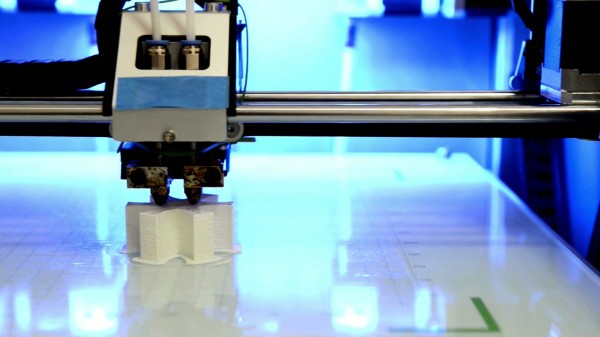
Matrix ingredients support printing, casting, fiber processing, and other fabrication workflows. Incorporation of research cargos or functional ligands creates additional formulation and retention questions beyond the base scaffold material.
Advantages of BOC Sciences' Matrix & Scaffold Material Support
- Material Families for Comparative Screening: Natural polymers, protein-related materials, synthetic polyesters, and composite ingredients support comparison across distinct matrix chemistries.
- Source and Identity-Focused Inquiries: Material discussions distinguish species, tissue origin, polymer identity, and protein construct requirements, helping avoid substitution based on a broad product label alone.
- Connections Between Ingredients and Constructs: Related preparation services link polymer selection with gels, fibers, films, and porous structures for project-specific research workflows.
- Multi-Material Development Options: Polymer blending, functionalization, and composite design support matrices that combine structural, interfacial, or hydration-related features.
- Characterization and Record Review: Available specifications and relevant structural or analytical information can be reviewed against material-evaluation and procurement requirements.
- Coordinated Sourcing and Fabrication Support: Catalog sourcing can be connected with modification and scaffold-development services when an experimental construct requires more than the starting ingredient.
Matrix & Scaffold Specifications
| Attribute | Relevant Information | Evaluation Context |
|---|---|---|
| Source & identity | Species; tissue or cell origin; expression system; protein type or polymer identity | Establishes what material is actually supplied |
| Molecular & structural properties | Sequence or construct length; molecular distribution; protein assembly where relevant | Distinguishes intact proteins, fragments, and modified materials |
| Composition & modification | Polymer or protein content; blends; crosslinking chemistry; functional groups | Defines the matrix formulation and introduced components |
| Scaffold architecture | Dimensions; pore size; interconnectivity; fiber orientation; surface morphology | Applies to the delivered or prepared construct |
| Hydrated performance | Mechanical method; medium; swelling; structural retention; degradation conditions | Relates results to the actual experimental state |
| Processing residues | Residual DNA or cellular components where relevant; detergents; solvents; crosslinkers | Method- and process-specific characterization needs |
| Microbiological attributes | Sterility status; bioburden or endotoxin results as specified | Separate product attributes requiring defined test coverage |
| Handling & records | Packaging; storage; reconstitution or preparation; batch and source information | Supports consistent material condition and traceability |
Available documents may include a CoA, SDS, product specification, source information, and relevant test records. Cell-response or matrix-preservation data are interpreted with the model, preparation, and measurement conditions. Source identity or decellularization alone does not establish finished-product suitability.
Related Matrix & Scaffold Development Services
Natural Polymer Scaffolds
Porous and composite structures can be developed around natural-polymer and protein-based matrices.
Polyester & Composite Constructs
Synthetic polymer frameworks support fiber, film, and scaffold-development projects with defined structure requirements.
Modification & Characterization
Polymer functionalization and analytical evaluation support structure-property questions and construct development.
Polymer Modification Services
Polymer Characterization Services
Tissue Engineering Material Resources
Hydrated Scaffold Networks
A guide to network architecture and mechanical matching in hydrogel scaffold development.
Polymer Hydrogels for Tissue Engineering Scaffolds: Network Architecture and Mechanical Matching
Degradable Scaffold Design
An overview of polymer structure, mechanics, and degradation variables in scaffold research.
Frequently Asked Questions
| Question | Answer |
|---|---|
| How do collagen, gelatin, and collagen peptides differ? | Intact collagen, denatured gelatin, and smaller collagen-derived peptide fractions have different structures and material-forming properties. Source, protein type, molecular distribution, and structural condition help identify the product. They should not be treated as equivalent scaffold ingredients based only on a shared collagen origin. |
| Are type I and type II collagen interchangeable? | They are different collagen types associated with different molecular and matrix contexts. Type, source, extraction, concentration, and structural characterization matter when selecting a material. A replacement requires evaluation in the intended matrix and model rather than substitution based on protein concentration alone. |
| Does recombinant or humanized collagen have the structure of native collagen? | The description alone does not establish that. Recombinant products may be full chains, domains, repeated sequences, or fragments. Sequence, modifications, assembly, and relevant structural testing distinguish the construct and determine its potential role in matrix development. |
| Is a decellularized matrix DNA-free and sterile? | Not automatically. Decellularization describes a processing goal, while residual DNA, cellular remnants, process chemicals, and microbiological status are separately assessed attributes. Matrix composition and architecture may also change during processing. The actual specification and test coverage define what has been measured. |
| Is matrix powder a ready-to-use scaffold? | A powder or soluble ingredient normally requires formulation or fabrication. A scaffold has a developed geometry and architecture; a gel formulation has defined composition and preparation requirements. Supplied form, included components, and handling information distinguish these products. |
| Can dry pore images predict hydrated scaffold performance? | Dry images provide structural information under the preparation and imaging conditions. Hydration can alter pore geometry, swelling, and mechanics. Wet mechanical data, structural retention, and relevant transport or cell-model assessments provide complementary information for the intended use. |
| What source and quality documents should accompany the material? | Relevant records may cover source, identity, composition, processing, product specifications, and batch tests. For a decellularized or modified matrix, residual and microbiological data may be important. Available documents and any grade designation are confirmed for the selected item. |
| Can I request a custom matrix or scaffold configuration? | Requests can include material source and composition, dimensions, pore or fiber requirements, hydrated performance targets, quantity, and documentation needs. Sourcing, formulation, functionalization, and fabrication are assessed as distinct project requirements. A finished clinical product is separate from a research construct. |
Source Materials for Tissue Models & Scaffold Development
Share the material identity or source, required matrix form, construct geometry, performance targets, quantity, and document requirements with BOC Sciences. Our team can review relevant sourcing options and the polymer modification or fabrication support needed for a defined research construct.