
How Polymeric Micelles Support Cancer Immunotherapy?
Polymeric micelles are increasingly discussed in cancer immunotherapy research because they offer more than simple nanoscale drug solubilization. Their value lies in the way amphiphilic block copolymers translate molecular design into controllable self-assembled structures that can influence local exposure, cargo protection, release timing, and interaction with the tumor microenvironment. In immunotherapy-oriented systems, the design objective is not only to transport an active component into tumor tissue, but also to reshape how immune-relevant signals are distributed, retained, and activated within a complex suppressive environment. That makes polymeric micelles especially relevant when researchers need to coordinate multiple formulation tasks at once, such as stabilizing hydrophobic immune modulators, co-delivering synergistic components, or introducing trigger-responsive release logic. This page focuses on those materials and formulation principles, explaining how polymeric micelles can support cancer immunotherapy research through tumor microenvironment modulation, immune cargo delivery, and combination design.
What Are Polymeric Micelles in Cancer Immunotherapy?
In cancer immunotherapy research, polymeric micelles are best understood as self-assembled nanoscale carriers that connect amphiphilic polymer design with immune-oriented delivery objectives. Formed from block copolymers that organize into a hydrophobic inner domain and a hydrophilic outer shell in aqueous media, these systems offer a structurally adaptable platform for regulating how immune-relevant cargos are protected, distributed, and released in tumor-associated environments. Their significance in this field does not come simply from acting as solubilizing nanocarriers, but from their ability to support more demanding formulation tasks such as local immune modulation, coordinated multi-component delivery, and tumor microenvironment-responsive release. For this reason, polymeric micelles in cancer immunotherapy should be viewed not as generic anticancer carriers, but as materials systems whose self-assembly behavior, cargo compatibility, and interfacial properties must be designed in direct relation to immune activation and tumor microenvironment control.
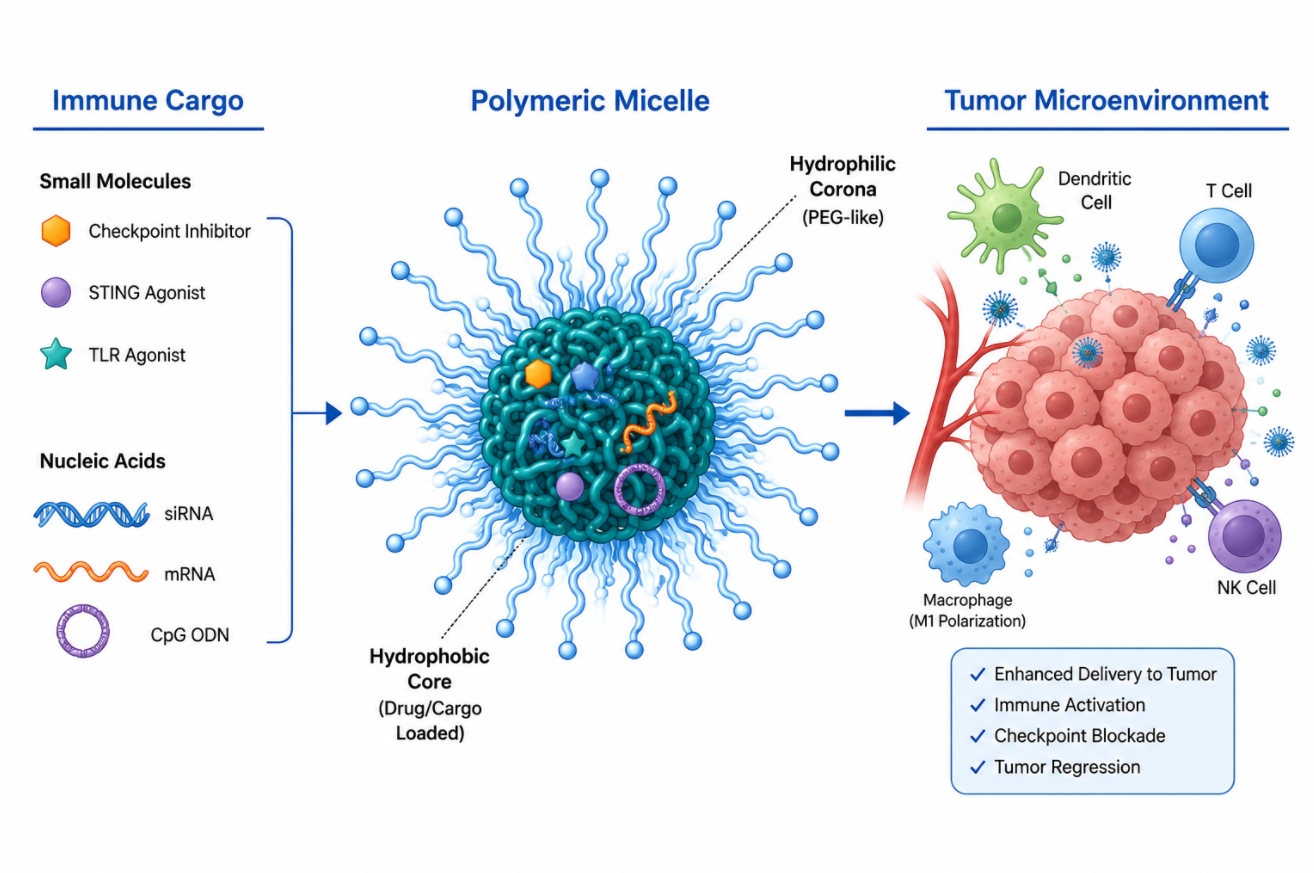 Fig. 1. Polymeric micelles bridge immune cargo delivery and tumor microenvironment design (BOC Sciences Authorized).
Why Cancer Immunotherapy Creates Different Delivery Requirements
Traditional anticancer formulations often focus on carrying a cytotoxic payload to tumor tissue and maximizing direct damage to tumor cells. Cancer immunotherapy, however, introduces additional requirements: the system may need to protect fragile immune-modulating components, synchronize exposure of two or more cargos, respond to features of the tumor microenvironment, or preferentially influence immune cells and stromal elements rather than tumor cells alone. These tasks impose stricter demands on stability, surface properties, release timing, and material compatibility. A polymeric micelle intended for immunotherapy must therefore be judged by whether it supports immune reprogramming and microenvironmental control, not just whether it accumulates in a tumor-like region.
How Polymeric Micelles Differ from Conventional Cytotoxic Delivery Carriers
In conventional cytotoxic delivery, a nanocarrier may be considered successful when it improves apparent solubility, reduces aggregation, or changes exposure of a small-molecule drug. Immunotherapy-oriented micelles must often do more. They may need to co-deliver a hydrophobic immune modulator with a second component, incorporate stimuli-responsive release logic, or maintain a corona that limits premature interaction before local activation. Compared with broader polymer nanoparticle systems, polymeric micelles are particularly attractive when reversible self-assembly, tunable core chemistry, and well-defined core-shell organization are central to the design problem.
Why Tumor Immunity and Self-Assembly Need to Be Considered Together
The physical behavior of the micelle and the biological behavior of the tumor immune environment cannot be separated. The same block ratio that improves colloidal persistence may delay desired disassembly. A highly protective corona may improve circulation but reduce desired local interaction. A core chemistry that loads a hydrophobic immune modulator efficiently may also alter release in suppressive tissue conditions. Because of this, micelle self-assembly must be optimized with the immune task in mind. A rational formulation for cancer immunotherapy begins by aligning polymer architecture, cargo compatibility, and tumor immune objectives from the start rather than optimizing each element in isolation.
Why Polymeric Micelles Are Relevant to the Tumor Immune Microenvironment?
The tumor immune microenvironment is one of the main reasons polymeric micelles have become interesting in cancer immunotherapy research. Many tumors are surrounded by a suppressive and heterogeneous local environment composed of abnormal vasculature, stromal barriers, altered metabolism, and immune cell populations that limit productive antitumor responses. In this context, a successful micelle system is not defined only by tumor exposure, but by how effectively it improves local cargo presentation, release logic, and interaction with immune-relevant compartments. This section explains why tumor microenvironment modulation is often a more meaningful goal than simply increasing delivery to tumor tissue.
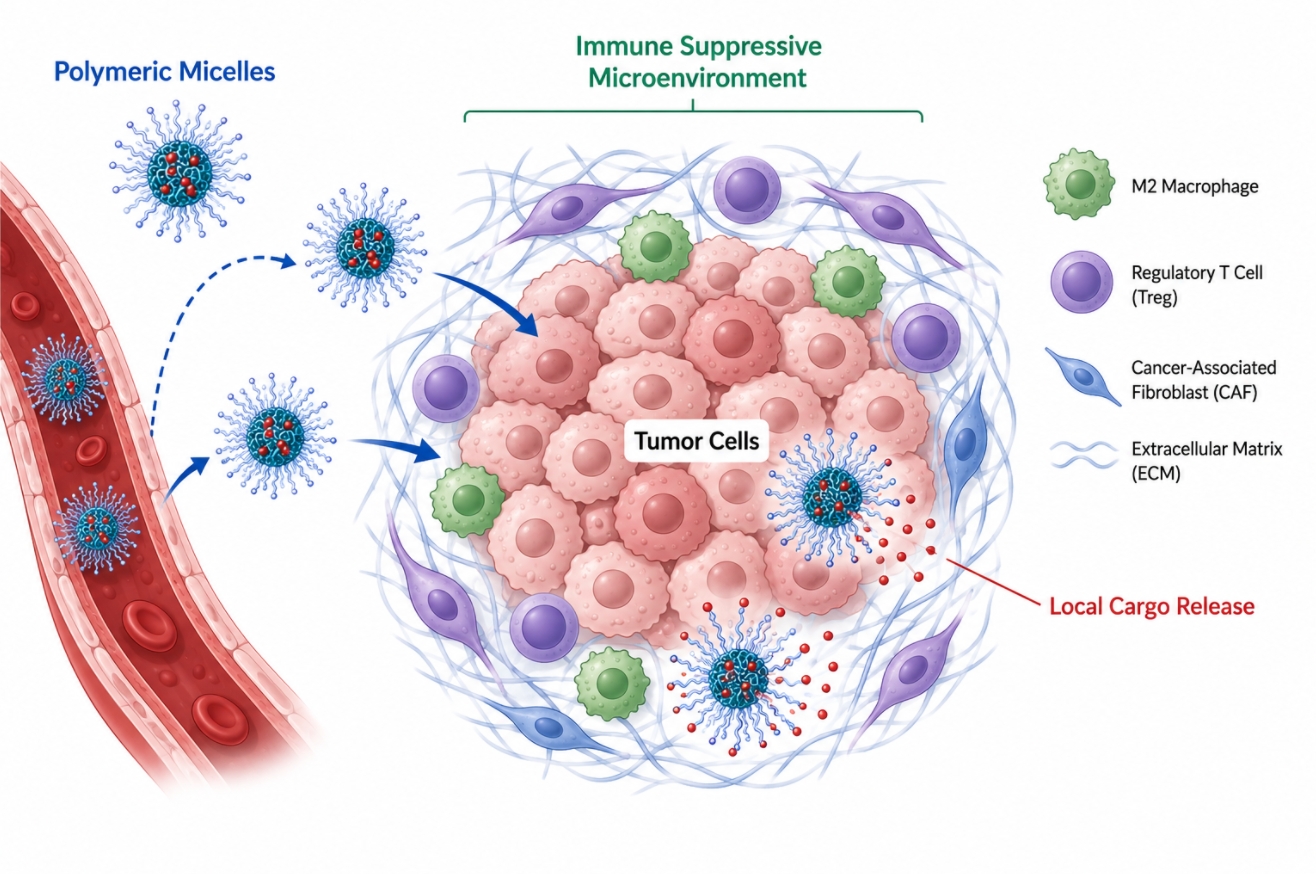 Fig. 2. Polymeric micelles modulate cargo exposure within the tumor microenvironment (BOC Sciences Authorized).
Key Barriers in the Immunosuppressive Tumor Microenvironment
Tumor tissues frequently contain a combination of poor vascular organization, dense extracellular matrix, abnormal pH gradients, redox imbalance, altered enzyme expression, and suppressive immune cells such as tumor-associated macrophages and dysfunctional antigen-presenting populations. These factors can reduce effective transport, limit penetration, and prevent immune activation even when a therapeutic agent reaches the general tumor area. For micelle design, this means the carrier must be evaluated against real microenvironmental barriers rather than against a simplified aqueous model. Cargo retention, local release, and interaction with suppressive compartments may matter more than nominal accumulation alone.
How Micelles Influence Tumor Accumulation and Local Exposure
Polymeric micelles can affect local exposure by controlling colloidal size, surface hydration, diffusion behavior, and release kinetics. A well-designed hydrophilic corona may help maintain dispersion and reduce premature loss, while the core can retain hydrophobic or otherwise challenging components until the system encounters a more favorable local trigger. Their contribution is therefore not limited to transport; micelles also shape how much cargo remains associated, when it becomes available, and how spatially concentrated it is once the carrier encounters tumor-associated conditions. This is especially important in immunotherapy, where local concentration profiles can determine whether immune activation or immune suppression dominates.
Cold-to-Hot Tumor Conversion as a Formulation Goal
Many immunotherapy strategies aim to shift poorly inflamed tumors toward a more immune-active state, often described as a cold-to-hot transition. From a formulation perspective, this goal is not achieved by naming a carrier "immunotherapeutic," but by designing a system that increases the likelihood of local immune stimulation, antigen-related signaling, or supportive microenvironmental change. Polymeric micelles can contribute when they improve the retention of immune agonists, support co-delivery with complementary agents, or introduce responsive release patterns that favor local rather than diffuse exposure. The formulation goal is therefore not generic transport, but coordinated microenvironmental conditioning.
Remodeling Stromal and Myeloid Components Through Micelle Design
In many tumors, stromal and myeloid compartments have a strong influence on immune suppression. Micelles may be designed to favor delivery of modulators that influence these compartments directly or indirectly through local signaling changes. This can include altering the exposure of hydrophobic small-molecule regulators, introducing a trigger-responsive element that becomes active in tumor-associated conditions, or supporting the co-delivery of materials intended to reduce suppressive signaling. The key materials question is whether the micelle architecture enables these interactions selectively and predictably, not whether the carrier simply reaches a tumor-like region.
What Types of Immune Cargo Can Be Delivered by Polymeric Micelles?
Cancer immunotherapy is not a single-cargo field. Different research programs may require small hydrophobic modulators, charged nucleic acid components, protein-associated materials, or combinations of immune and non-immune therapeutics. Polymeric micelles are useful because their core-shell structure can be tuned to support different kinds of cargo organization, but the design logic changes substantially depending on what is being carried.
Small-Molecule Immunomodulators and Immune Agonists
Hydrophobic small-molecule immune modulators are among the most straightforward candidates for polymeric micelles because the core can provide a compatible nonaqueous microenvironment while the corona maintains colloidal stability in aqueous systems. In immunotherapy settings, the advantage is not only increased dispersibility but also the potential to control local availability and limit premature leakage. The most suitable polymers are those whose core chemistry matches the guest molecule closely enough to support both loading and retention. For this reason, the choice of biodegradable polymers, hydrophobic polyester segments, and corona-forming blocks should follow the interaction profile of the modulator rather than general popularity.
Cytokines, Proteins, and Other Biologically Active Immune Modulators
Protein-like or highly polar immune modulators present a more complex challenge because classical hydrophobic-core loading is often insufficient or inappropriate. In these cases, micelles may need surface modification, conjugation-based presentation, or a hybrid loading strategy rather than simple core sequestration. The formulation must also preserve structural integrity of the active component while avoiding unwanted interfacial denaturation or rapid dissociation. When researchers need more than passive encapsulation, support from polymer bioconjugation and side/end-group functionalization becomes especially relevant.
Nucleic Acid Cargo for Immune Regulation
Nucleic acid cargo introduces a different set of formulation rules because electrostatic interaction, protection from degradation, and controlled release become central. Polymeric micelles can participate in these designs when the architecture includes ionizable or charged domains, polyion complex formation, or hybrid self-assembly logic rather than a purely hydrophobic core. In cancer immunotherapy, this can be relevant to immune regulation, signaling modulation, or local reprogramming strategies. Readers needing a broader framework can extend to polymers for nucleic acid delivery and polymer-based gene delivery platforms.
Co-Delivery of Immune and Non-Immune Therapeutic Components
One of the strongest arguments for polymeric micelles in cancer immunotherapy research is their ability to support co-delivery or coordinated presentation of dissimilar components. A hydrophobic core may load one component, while a functionalized shell or linked domain supports a second one. This architecture can help synchronize exposure of an immune modulator with a tumor-conditioning or cytotoxic agent, allowing the formulation to influence both tumor cell state and immune context. However, co-delivery only works when the carrier remains structurally interpretable. The materials designer must ensure that one cargo does not destabilize the loading, release, or compatibility profile of the other.
| Cargo Type | Delivery Challenge | Why Micelles May Help | Main Design Constraint | Typical Formulation Goal |
|---|---|---|---|---|
| Hydrophobic immune modulators | Poor aqueous compatibility and premature precipitation | Hydrophobic core can support loading and dispersion | Core-drug compatibility and leakage control | Improve local exposure and retained delivery |
| Protein or cytokine-related components | Interfacial instability and limited passive loading | Functional shell or conjugation can improve presentation | Activity preservation and structural stability | Localized immune modulation with reduced formulation loss |
| Nucleic acid immune regulators | Charge, degradation, and release complexity | Ionizable or complex-forming micelles can organize cargo | Electrostatic balance and medium sensitivity | Protected delivery and controlled local release |
| Dual immune / non-immune combinations | Different solubility and release requirements | Core-shell structure can separate or coordinate cargo domains | Cross-interference between loading and release pathways | Synergistic tumor conditioning and immune activation |
How Block Copolymer Design Shapes Immunotherapy Performance?
In cancer immunotherapy research, a polymeric micelle is only as useful as its polymer design allows it to be. Block composition, molecular weight, block ratio, chain topology, functional groups, and degradable or trigger-responsive segments all influence whether the micelle can remain stable, retain its cargo, and release it under relevant conditions. Because the immune function depends heavily on exposure timing and local microenvironmental behavior, polymer design must be linked directly to immunotherapy performance rather than treated as a background variable.
Hydrophilic-Hydrophobic Balance and Micelle Persistence
The hydrophilic-hydrophobic balance determines whether the polymer will form stable micelles, how large those micelles become, and how resistant they are to dilution or competing interactions. Too much hydrophilic character can weaken core formation, while excessive hydrophobicity may promote aggregation or poor reproducibility. In immunotherapy applications, this balance is especially important because the system may need to remain intact long enough to reach a target environment but still allow purposeful disassembly or release afterward. Materials such as PEG derivatives paired with degradable hydrophobic segments are commonly useful because they provide a controllable starting point for balancing persistence and responsiveness.
Core Chemistry for Immune Cargo Compatibility
The core-forming block defines the loading space for hydrophobic or partially hydrophobic components and influences how tightly they are retained. A polyester-like core built from materials related to polyesters, polylactic acid, or other degradable segments may provide a suitable environment for some cargos, while other applications require softer, more dynamic, or more interactive cores. In immunotherapy, compatibility matters because release that is too slow may reduce activity, whereas release that is too fast may dissipate the intended local immune effect. The core must therefore be chosen to match not only the chemistry of the cargo but also the timing logic of the immune response being pursued.
Functional Corona Design for Tumor and Immune Interfaces
The outer corona is not merely a solubilizing shell. It shapes hydration, steric stabilization, interactions with biological interfaces, and the extent to which the micelle remains colloidally accessible without premature aggregation or adsorption. In immune-oriented systems, the corona may also be a site for ligand presentation, charge tuning, or interface modulation designed to influence tumor-associated or immune cell-related behavior. A good corona design reduces nonspecific instability while preserving the ability of the system to respond locally when needed. This is one reason why polymer modification and tailored end-group design are often central to advanced micelle development.
Stimuli-Responsive Linkers for Immunotherapy-Relevant Release
Immunotherapy-oriented micelles often benefit from trigger-responsive features that align release with tumor-associated conditions such as lower pH, altered redox balance, local enzyme activity, or hypoxic stress. Responsive elements can be incorporated into the block itself, the linker between segments, or the cargo attachment strategy. Their value lies in helping the formulation maintain integrity during general handling while increasing release or structural rearrangement in a more relevant local environment. These ideas connect closely with stimuli-responsive polymer micelles, but in the immunotherapy setting the focus should remain on how the trigger improves local immune formulation logic rather than on responsiveness as an isolated feature.
Combination Design: How Polymeric Micelles Support Synergistic Immunotherapy
Combination design is one of the most compelling reasons to use polymeric micelles in cancer immunotherapy research. Many immune-directed strategies are limited when delivered as isolated components because the tumor microenvironment remains suppressive or the immune signal lacks sufficient local reinforcement. Polymeric micelles can help coordinate complementary actions by co-loading, sequentially releasing, or structurally separating multiple cargos within a single system. The key is not to maximize complexity, but to build a combination whose material logic matches the tumor immune problem being addressed.
Co-Delivery of Chemotherapy and Immune Modulators
One common formulation objective is to combine a tumor-conditioning or cytotoxic component with an immune modulator so that direct tumor stress and local immune activation occur in a coordinated way. Polymeric micelles are suitable here because the same hydrophobic core may load both agents, or the system may use differentiated domains to stage their release. Successful co-delivery requires more than joint loading efficiency: the micelle must maintain structural integrity, preserve the intended cargo ratio, and avoid conditions in which one component displaces or destabilizes the other. The most effective designs are those in which material structure and therapeutic logic reinforce each other.
Micelle Strategies for Immunogenic Cell Death-Driven Immune Activation
Some combination systems aim to use tumor cell stress or damage as a trigger for stronger immune recognition. In this context, the micelle may be designed to carry a component that promotes tumor disruption together with another that enhances local immune stimulation or presentation. The rationale is not merely additive but contextual: the first component changes the tumor state, and the second increases the chance that the resulting environment becomes immunologically productive. Micelles are helpful because they can maintain both components in a unified nanoscale structure until local conditions support the desired transition from tumor conditioning to immune amplification.
Checkpoint-Related Combination Logic in Micelle Systems
Checkpoint-related strategies often benefit from local or coordinated delivery when the broader tumor environment remains suppressive. Polymeric micelles may contribute not by directly replacing every checkpoint formulation mode, but by creating a carrier environment that supports combination with hydrophobic modulators, nucleic acid regulators, or tumor-conditioning agents that complement checkpoint-oriented mechanisms. The important question is whether the micelle enhances the underlying immune logic. If the formulation does not improve local exposure, synchronized action, or microenvironmental context, then adding checkpoint language to the design does not make the micelle genuinely immunotherapy-relevant.
Spatial and Temporal Control of Multi-Cargo Release
A major advantage of polymeric micelles is the possibility of controlling not just how much cargo is loaded, but where and when it becomes available. In combination immunotherapy research, spatial and temporal control can matter as much as total dose because the order of tumor conditioning, immune stimulation, and local persistence may shape the resulting response. Responsive segments, differential cargo partitioning, and environment-sensitive disassembly can all be used to bias release toward relevant tissues or stages. However, these features are only valuable when they are validated by clear formulation data rather than assumed from structural intent alone.
Looking for Custom Polymeric Micelles for Cancer Immunotherapy Research?
BOC Sciences supports amphiphilic polymer design, responsive micelle development, co-delivery formulation strategy, and characterization workflows for advanced immune-oriented drug delivery research.
Targeting and Responsive Release Strategies for Cancer Immunotherapy Micelles
Targeting and responsive release are often presented as generic advantages of nanocarriers, but in cancer immunotherapy they should be understood in relation to specific immune objectives. The question is not simply whether a micelle can accumulate in tumor tissue or respond to one stimulus, but whether those behaviors improve local immune modulation, cargo retention, and combination timing in a meaningful way.
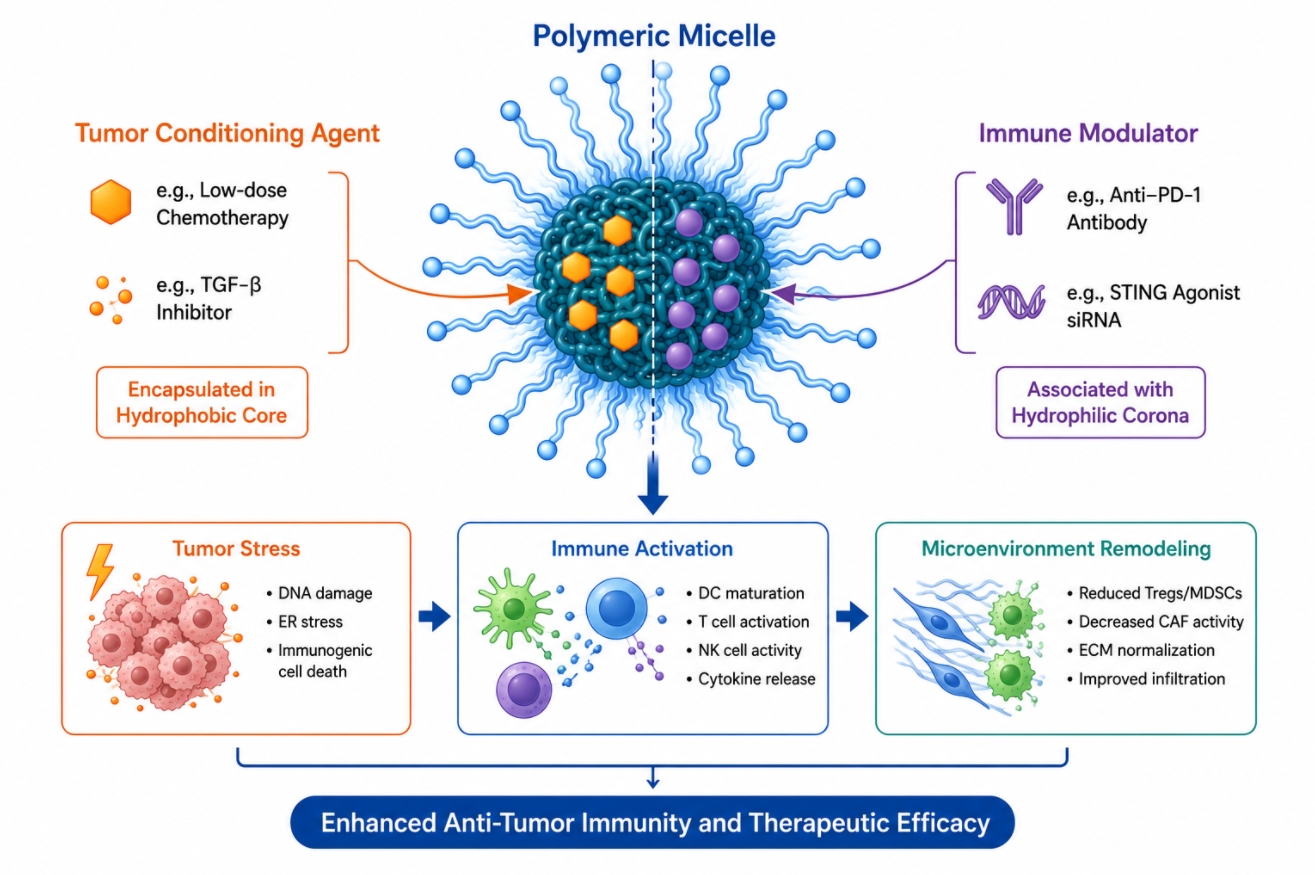 Fig. 3. Combination design of polymeric micelles for cancer immunotherapy research (BOC Sciences Authorized).
Passive Targeting and Its Real Limits in Immunotherapy
Passive targeting through nanoscale size and circulation behavior is often treated as sufficient for tumor delivery, but in immunotherapy this assumption is too weak. Even when micelles accumulate to some degree in tumor-associated regions, the suppressive microenvironment may still prevent productive immune signaling. Passive targeting can support a formulation by improving general localization, but it rarely defines immunotherapy success on its own. Designers should therefore treat passive targeting as a baseline transport phenomenon rather than a complete strategy and connect it with local release, combination logic, or microenvironment-focused design whenever possible.
Ligand-Mediated Targeting of Tumor or Immune Cells
Functional ligands or surface-level recognition motifs may be introduced to influence interaction with tumor-associated or immune-relevant cell populations. In principle, this can improve local engagement or alter how the micelle is processed after contact with specific cells. In practice, ligand-mediated targeting is only useful when the corona remains stable, the ligand remains accessible, and the added functionality does not compromise colloidal performance. Because this balance is delicate, targeted micelle design often requires custom polymer work involving side/end-group functionalization or polymer bioconjugation to maintain both structure and intended interfacial behavior.
pH-, Redox-, Enzyme-, and Hypoxia-Responsive Micelle Systems
Tumor-associated chemical conditions provide multiple opportunities for responsive micelle design. pH-sensitive systems can exploit acidic local environments, redox-responsive systems can use differential reducing conditions, enzyme-responsive structures can rely on tumor-associated catalytic activity, and hypoxia-related features can align with oxygen-poor regions. In cancer immunotherapy, these mechanisms matter because they can help confine release, increase effective local exposure, or coordinate cargo activation with microenvironmental stress. Yet responsiveness must be matched carefully to stability; a system that disassembles too early or too broadly may lose the very immune selectivity it was meant to create.
Lymphatic and Local Immune Compartment-Oriented Delivery
Some immunotherapy strategies benefit from thinking beyond tumor cell targeting alone and instead considering lymphatic or local immune compartments as key formulation destinations. In these cases, micelle size, surface properties, and colloidal persistence may be tuned to bias how the system interacts with immune-related distribution pathways. This kind of design demands particularly careful control because the same features that improve one compartmental interaction may reduce another. The micelle must therefore be optimized around a clear destination logic rather than a general statement about "better targeting." When the objective shifts substantially, it may also be useful to compare against targeted polymer drug delivery systems more broadly.
How to Evaluate Polymeric Micelles for Cancer Immunotherapy?
Evaluation of polymeric micelles for cancer immunotherapy requires more than the standard checkboxes of nanoscale size and initial loading. Those measurements are necessary, but they are not sufficient to prove that the system is meaningful for immune-oriented research. A useful evaluation strategy should connect physicochemical structure to cargo behavior, trigger logic, and tumor microenvironment relevance. In other words, the data should demonstrate not only that the micelle exists, but that it exists in a form compatible with the intended immunotherapy function.
Core Physicochemical Parameters: Size, PDI, CMC, and Stability
Size, polydispersity, CMC, and colloidal stability remain foundational because they establish whether the micelle is structurally credible and sufficiently persistent to be used in a defined delivery setting. In immunotherapy designs, these parameters are especially important because multi-cargo or responsive systems can become unstable more easily than simpler hydrophobic micelles. A meaningful dataset should therefore report whether the micelle remains coherent during dilution, whether loaded and unloaded states differ substantially, and whether the observed structure is narrow enough to support consistent interpretation. Such evaluation can be supported by polymer characterization services and related analytical workflows.
Cargo Loading, Retention, and Triggered Release Assessment
Initial loading alone does not confirm formulation quality. The relevant questions are whether the cargo remains associated during handling, whether release occurs under the intended conditions, and whether different components in a combination system preserve their expected relationship over time. For immune-oriented micelles, triggered release studies are particularly important because the supposed advantage of the system often depends on local responsiveness rather than simple passive leakage. A well-designed formulation should therefore show interpretable retention and release data tied to the biological conditions that motivate the micelle in the first place.
Evaluating TME-Relevant Performance Beyond Simple Buffer Stability
Stability in pure water or a simple laboratory buffer is not enough to justify an immunotherapy micelle. The system should also be evaluated under conditions that better reflect tumor-associated chemical and colloidal challenges, such as altered pH, competing biomolecules, relevant salts, or trigger-like environmental cues. This type of testing helps reveal whether the corona remains protective, whether the core retains its cargo appropriately, and whether the release mechanism behaves as proposed. It also reduces the risk of overinterpreting elegant nanostructures that fail under more realistic formulation stresses.
Interpreting Multi-Cargo and Immune-Related Formulation Data
When a micelle carries more than one functional component, evaluation becomes a problem of coordination rather than isolated measurement. The formulation must be assessed for ratio retention, structural compatibility between cargos, and the possibility that one component alters the release or stability behavior of the other. In immunotherapy research, it is also important to ask whether the measured data support the proposed immune logic. A formulation that loads two agents well but releases them indiscriminately may be less useful than a simpler system with clearer timing and stronger local relevance. The best datasets connect physicochemical evidence with the intended immune mechanism directly.
| Evaluation Dimension | Key Question | Representative Readout | Why It Matters | Common Limitation |
|---|---|---|---|---|
| Micelle structure | Is the carrier physically well defined? | Size, PDI, morphology, CMC | Confirms a usable colloidal system | Can look acceptable in simple media only |
| Cargo behavior | Does the payload remain associated appropriately? | Loading content, retention, leakage analysis | Defines whether the micelle is functionally meaningful | High initial loading may hide poor long-term retention |
| Trigger relevance | Does the system respond under intended conditions? | Stimulus-dependent release or disassembly profiles | Links structure to local immunotherapy logic | Responsive claims may exceed actual selectivity |
| Combination coherence | Do multiple cargos remain coordinated? | Ratio stability and differential release behavior | Critical for synergy-oriented micelles | One cargo can destabilize or displace another |
Limitations and Design Trade-Offs in Polymeric Micelles for Cancer Immunotherapy
A technically credible resource page must address limitations as seriously as advantages. Polymeric micelles are powerful tools, but they are not automatically the best solution for every immunotherapy problem. Their strengths in self-assembly, cargo coordination, and responsive design are accompanied by real trade-offs involving stability, loading flexibility, reproducibility, and characterization complexity. Understanding these trade-offs helps researchers choose micelles for the right reasons and avoid overengineering systems that become difficult to interpret or translate into consistent formulations.
Structural Stability vs Responsive Disassembly
One of the central trade-offs in immunotherapy micelle design is the balance between remaining intact long enough to protect the cargo and disassembling readily enough to release it at the right time and place. A micelle that is too stable may suppress useful local activation, while one that is too responsive may leak prematurely or dissociate under nonselective conditions. The optimal solution depends on the intended immune mechanism and the expected route of formulation handling. For this reason, trigger-responsive design should always be evaluated in parallel with baseline stability rather than optimized independently.
Loading Flexibility vs Formulation Complexity
As researchers attempt to load more diverse immune-related cargos or build more sophisticated combination systems, the architecture of the micelle often becomes more complicated. Additional functions may improve conceptually attractive features such as dual loading or staged release, but they can also introduce broader size distributions, less predictable assembly pathways, or ambiguous interpretation of the final structure. There is a point at which added flexibility no longer improves the formulation and instead obscures it. Effective micelle development therefore favors the simplest architecture that can still accomplish the required immunotherapy task.
Immune Ambition vs Manufacturability and Reproducibility
Highly ambitious immune-oriented designs often involve multiple blocks, responsive linkers, functional corona motifs, and two or more cargos. While scientifically interesting, such systems may become difficult to reproduce consistently if the preparation route is sensitive to subtle differences in solvent exchange, polymer composition, or loading order. This matters because a formulation that changes behavior between batches cannot support reliable structure-property conclusions. From a development perspective, manufacturability begins not at the scale-up stage but at the moment the polymer architecture and preparation method are selected. Consistent systems usually emerge from clear materials logic and restrained complexity.
When Another Delivery Platform May Be More Suitable
Polymeric micelles are not always the best platform. If the cargo is too large, too structurally fragile, too dependent on matrix entrapment, or too difficult to coordinate within a self-assembled core-shell format, another carrier may provide a clearer solution. In some cases, broader platform comparison across polymer, lipid, and inorganic systems is necessary. In others, a denser polymer nanoparticle may better support sustained retention or alternative loading logic. The right platform is the one whose material behavior matches the immunotherapy problem most directly.
Advanced Polymer Synthesis and Formulation Services
At BOC Sciences, we support polymeric micelle research for cancer immunotherapy from the perspective of polymer architecture, self-assembly behavior, functionalization strategy, and structure-property evaluation. Our work is focused on helping researchers choose or develop the right amphiphilic systems for immune-oriented cargo delivery, responsive release, and combination design. By combining expertise in polymer synthesis, polymer modification, micelle formulation, and analytical assessment, we help connect conceptual immunotherapy goals with technically interpretable materials development pathways.

Amphiphilic Polymer and Block Copolymer Design
- Design of amphiphilic block copolymers for stable and responsive micelle formation.
- Adjustment of block ratio, molecular weight, and hydrophilic-hydrophobic balance.
- Material selection using PEG derivatives, polyester segments, and degradable polymer components.
- Support for immune-oriented formulation tasks requiring defined self-assembly logic.
Functionalization and Responsive Micelle Development
- Side-chain and end-group engineering through functionalization services.
- Responsive linker and corona design for pH-, redox-, or enzyme-related release concepts.
- Development support for targeted or immune-interface-sensitive micelle systems.
- Integration of polymer bioconjugation when advanced cargo presentation is needed.
Micelle Preparation and Combination Formulation Support
- Support for polymer micelle synthesis and process optimization.
- Evaluation of multi-cargo loading feasibility and release coordination.
- Optimization of size, PDI, stability, and retention for immune-oriented systems.
- Technical assistance for selecting practical preparation routes for complex formulations.
Characterization and Structure-Property Evaluation
- Analytical support through polymer characterization service.
- Micelle morphology and organization analysis using structure morphology analysis.
- Assessment of loading, stability, responsive behavior, and formulation consistency.
- Guidance on linking analytical data to immunotherapy-oriented design decisions.
Do You Need A Consultation?
BOC Sciences provides tailored support for polymeric micelle design, functionalization, formulation optimization, and analytical evaluation in cancer immunotherapy research.
Unlock New Possibilities with Tailored and High-Performance Polymers
| Cat. No. | Product Name | CAS No. | Inquiry |
|---|---|---|---|
| B1370-088594 | Polyethylene glycol | 25322-68-3 | Bulk Inquiry |
| B2697-011136 | Poly(D,L-lactide-co-glycolide) | 26780-50-7 | Bulk Inquiry |
| 26023-30-3 | Poly(DL-Lactic acid) | 26023-30-3 | Bulk Inquiry |
| 24980-41-4 | Poly-ε-caprolactone | 24980-41-4 | Bulk Inquiry |
| 72207-80-8 | Poly(ethylene glycol) diglycidyl ether | 72207-80-8 | Bulk Inquiry |
| B1370-356807 | Polyethyleneimine, linear | 9002-98-6 | Bulk Inquiry |
| 82063-35-2 | Poly(vinyl phosphoric acid). sodium salt | 82063-35-2 | Bulk Inquiry |
| 9002-89-5 | Polyvinyl Alcohol | 9002-89-5 | Bulk Inquiry |
| 9003-39-8 | poly(vinylpyrrolidone) | 9003-39-8 | Bulk Inquiry |
| 25038-59-9 | poly(ethylene terephthalate) | 25038-59-9 | Bulk Inquiry |
Frequently Asked Questions
-
Why are polymeric micelles useful for cancer immunotherapy instead of only chemotherapy?
Polymeric micelles are useful in cancer immunotherapy because they can do more than solubilize hydrophobic compounds. They can help protect immune-relevant cargos, coordinate co-delivery, support trigger-responsive release, and improve local exposure within suppressive tumor microenvironments. Their value comes from integrating self-assembly, microenvironmental control, and combination formulation logic in one carrier system.
-
Can polymeric micelles deliver immune checkpoint-related therapeutics?
Polymeric micelles can support checkpoint-related strategies when the formulation benefits from coordinated delivery of complementary components, such as hydrophobic modulators, immune regulators, or tumor-conditioning agents. Their suitability depends on cargo type, required release profile, and structural compatibility. The micelle is most meaningful when it improves local immune context rather than simply carrying a checkpoint-associated label.
-
What makes a polymeric micelle suitable for tumor microenvironment modulation?
A suitable polymeric micelle for tumor microenvironment modulation should remain stable long enough to preserve cargo, respond meaningfully to tumor-associated conditions, and create local exposure patterns that influence suppressive tissue components. It should support retention, controlled release, and relevant interactions with stromal or immune compartments instead of relying only on nominal tumor accumulation.
-
Are stimuli-responsive micelles important in cancer immunotherapy?
Stimuli-responsive micelles are often important because cancer immunotherapy benefits from local rather than indiscriminate release. Features responsive to pH, redox balance, enzymes, or hypoxia can help align cargo availability with tumor-associated conditions. Their usefulness depends on achieving the right balance between baseline micelle stability and selective disassembly under relevant microenvironmental triggers.
-
How do I evaluate whether an immunotherapy micelle design is meaningful?
A meaningful immunotherapy micelle design should be evaluated through both physicochemical and immune-relevant criteria. Size, PDI, CMC, loading, and stability are essential, but they are not enough alone. Researchers should also examine retention, trigger-responsive release, multi-cargo coordination, and whether the formulation logic truly addresses a defined tumor immune microenvironment barrier.
-
When should another carrier be chosen instead of polymeric micelles?
Another carrier should be considered when the cargo is too large, too fragile, too matrix-dependent, or too complex to be organized reliably within a self-assembled micelle. If long-term retention, rigid structural control, or alternative loading mechanisms are more important than core-shell self-assembly, a different polymer, lipid, or inorganic platform may be more suitable.