
Polymer Micelles: A Complete Guide to Design, Assembly, and Applications
Polymer micelles are among the most important self-assembled nanostructures in modern drug delivery because they connect polymer architecture directly with formulation performance. Built from amphiphilic polymers, especially block copolymers, they organize in selective solvents into core-shell structures that can host poorly water-compatible molecules, protect sensitive cargo, and modulate release behavior through nanoscale compartmentalization. Their usefulness, however, does not come from nanosize alone. It comes from the fact that micelle formation, stability, loading, interfacial behavior, and route-specific performance all originate from molecular design choices that can be tuned deliberately. This page provides a pillar-level overview of polymer micelles, covering their structure, self-assembly, preparation, characterization, stability, and major application areas across drug delivery and related fields. The goal is not only to explain what polymer micelles are, but also to clarify how they should be designed, evaluated, and positioned relative to other carrier systems.
What Are Polymer Micelles?
Polymer micelles are nanoscale self-assembled aggregates formed when amphiphilic polymers are placed in a selective solvent environment that favors segregation of their incompatible segments. In aqueous systems, the more hydrophobic segment usually forms an internal core, while the more hydrophilic segment extends outward to form a solvated corona. This deceptively simple architecture is the basis for a wide range of delivery functions, including solubilization of difficult compounds, colloidal stabilization, local release control, and route-specific adaptation. In drug delivery, polymer micelles are important because they translate molecular design into a functional carrier whose properties can be tuned through polymer chemistry, chain architecture, and preparation conditions.
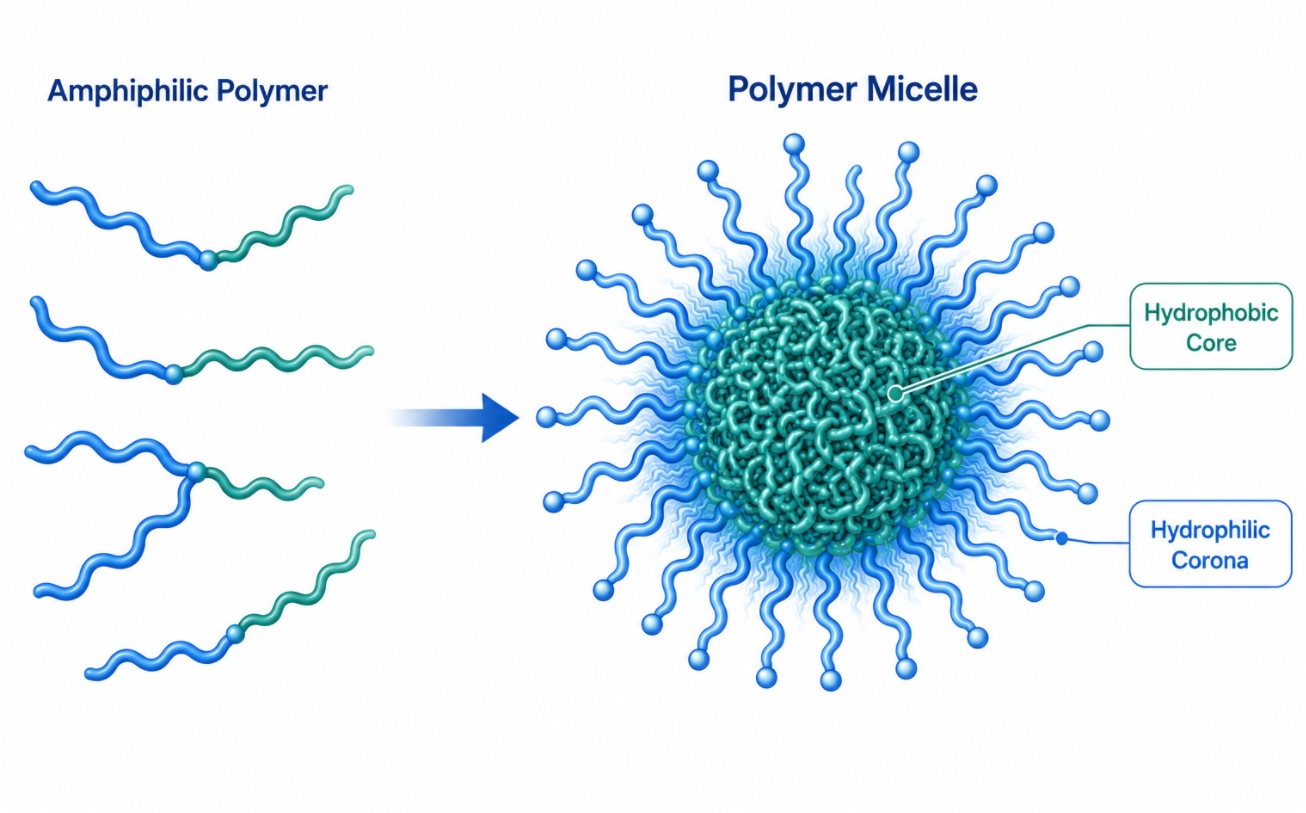 Fig. 1. Polymer micelles form core-shell nanostructures from amphiphilic polymers (BOC Sciences Authorized).
Core-Shell Structure and Amphiphilic Polymer Basis
The defining feature of a polymer micelle is its compartmentalized core-shell structure. The core is typically created by the solvophobic segment of an amphiphilic polymer, while the shell or corona is formed by the solvophilic segment. This arrangement lowers the free energy of the system by reducing unfavorable polymer-solvent contact while preserving dispersion through a hydrated outer layer. In practical terms, the core becomes the main loading domain for hydrophobic or otherwise compatible cargo, while the corona governs colloidal stability, interfacial behavior, hydration, and local interaction with biological or formulation environments.
Why Polymer Micelles Matter in Drug Delivery
Polymer micelles matter because they solve formulation problems that neither free drug nor simple solution chemistry can handle well. They can improve the apparent aqueous compatibility of hydrophobic small molecules, organize cargo at the nanoscale, support controlled or route-adjusted release, and enable more sophisticated systems for imaging, biomacromolecule delivery, or immune-oriented delivery. Their importance also lies in tunability. Polymer structure can be adjusted to influence CMC, size, morphology, surface behavior, and persistence, which makes polymer micelles more than passive carriers. They are designable delivery systems.
What Types of Polymer Micelles Are Used in Drug Delivery?
Polymer micelles used in drug delivery are not limited to one structural type. Although the classical core-shell micelle remains the most widely discussed form, polymer micelle systems can also be classified by how they assemble, what interactions stabilize them, and what functions they are designed to perform. This broader view is important because different cargo types and delivery goals often require different micelle categories rather than a single universal design. Understanding these types helps connect basic polymer self-assembly with more advanced formulation strategies in areas such as nucleic acid delivery, controlled release, imaging, and immune-oriented systems.
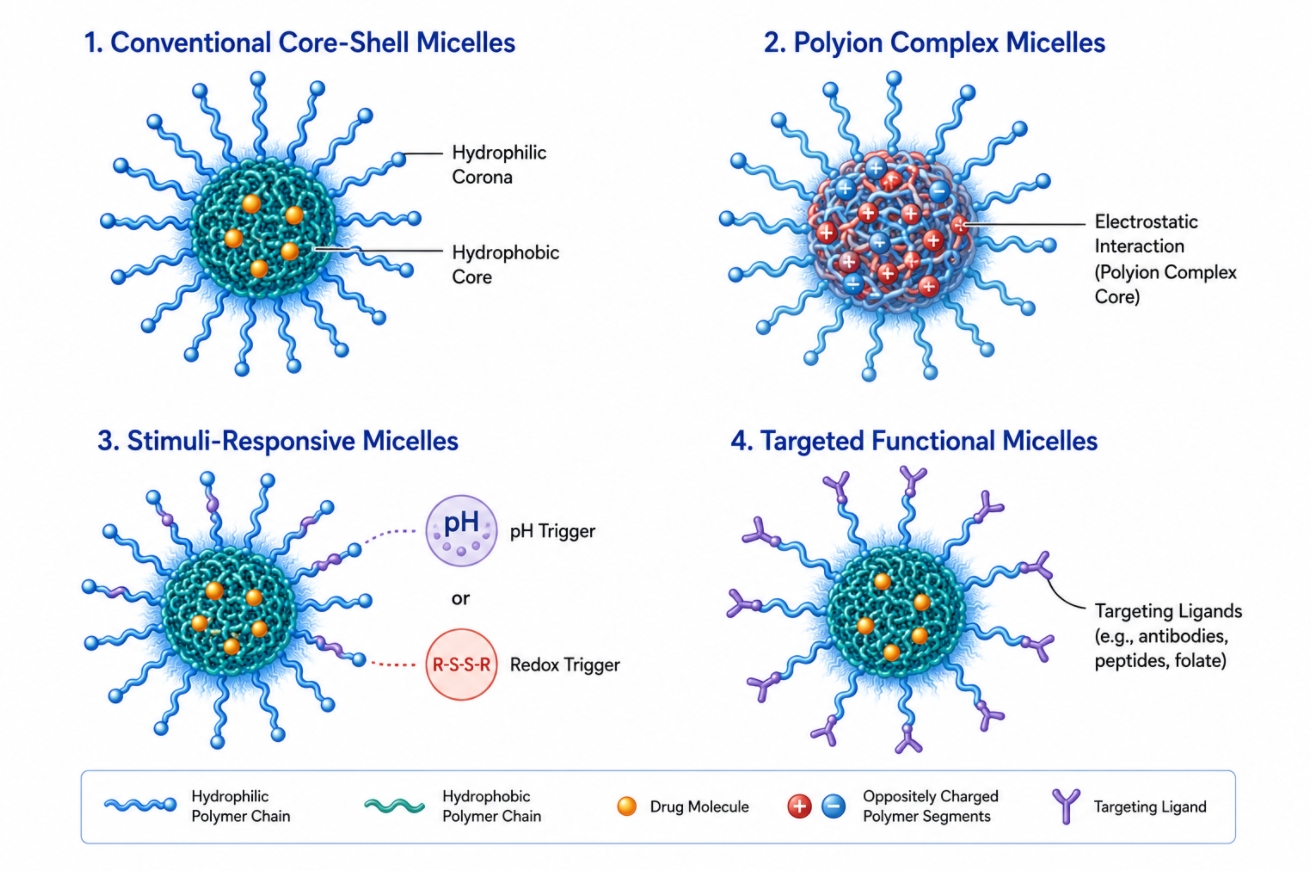 Fig. 2. Different polymer micelle types support diverse drug delivery functions (BOC Sciences Authorized).
Conventional Core-Shell Polymeric Micelles
Conventional core-shell polymeric micelles are the most common type in drug delivery. They are typically formed by amphiphilic block copolymers in aqueous media, where the hydrophobic segments assemble into a core and the hydrophilic segments form a stabilizing corona. These systems are widely used for hydrophobic and poorly soluble small-molecule drugs because they provide a relatively simple and tunable nanoscale loading environment.
Polyion Complex Micelles
Polyion complex micelles are formed through electrostatic interaction rather than hydrophobic core formation alone. In these systems, oppositely charged polymer segments and charged cargo components assemble into micellar structures with ionic complex domains. They are especially relevant for nucleic acid, protein, and peptide delivery, where protection, complexation, and controlled release of charged biomacromolecules are more important than simple hydrophobic partitioning.
Mixed and Multi-Component Polymeric Micelles
Mixed and multi-component polymeric micelles are assembled from more than one amphiphilic polymer or from polymer systems that include functional additives. These micelles are useful when a single polymer cannot provide the desired balance of loading, colloidal stability, release behavior, and interfacial properties. By combining components, the formulation can be adjusted more flexibly, although structural interpretation often becomes more complex.
Stimuli-Responsive Polymeric Micelles
Stimuli-responsive polymeric micelles are designed to change structure or cargo release behavior in response to triggers such as pH, redox conditions, enzymes, or temperature. Their value lies in connecting self-assembly with controlled release logic, allowing the carrier to remain relatively stable under baseline conditions while changing more rapidly in a defined environment. These systems are important in advanced drug delivery and smart formulation design.
Crosslinked and More Stable Micelle Systems
Some polymer micelles are further stabilized through core crosslinking, shell crosslinking, or related reinforcement strategies. These systems are often developed to reduce premature disassembly, improve persistence under dilution, or strengthen cargo retention. While they can offer stability advantages, they also alter the dynamic nature of classical micelles and may reduce responsiveness or complicate release behavior.
Functional Polymeric Micelles for Imaging and Advanced Delivery
Functional polymeric micelles include systems designed not only for drug loading, but also for imaging, targeted delivery, immune-oriented applications, or multi-functional formulation tasks. In these micelles, the carrier may include imaging probes, targeting ligands, responsive elements, or combined cargo strategies. They represent an important extension of polymer micelle design from conventional delivery carriers to more specialized materials platforms.
How Polymer Micelles Form and How They Are Prepared?
Polymer micelles do not appear automatically whenever an amphiphilic polymer touches water. Their formation depends on a balance between thermodynamic driving forces, kinetic pathway effects, polymer architecture, and preparation history. For this reason, formation and preparation should be considered together. The same polymer can yield different micelle sizes, morphologies, loading states, and release profiles depending on how the self-assembly process is initiated and controlled. Understanding both the mechanism of micellization and the practical routes used to generate micelles is therefore fundamental to rational formulation design.
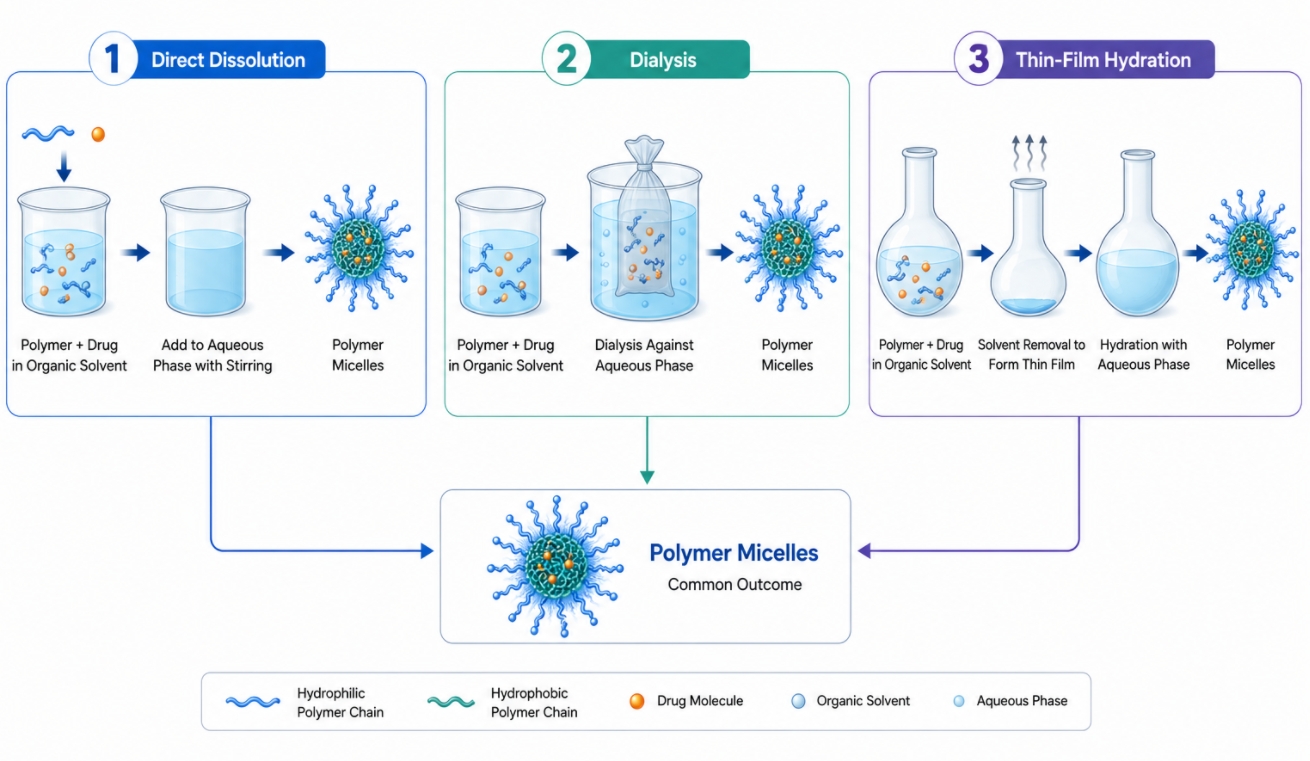 Fig. 3. Common preparation methods shape polymer micelle size and quality (BOC Sciences Authorized).
Self-Assembly in Selective Solvents
Self-assembly occurs when one segment of an amphiphilic polymer is well solvated and another is poorly solvated in the surrounding medium. In water, the hydrophobic segment minimizes contact with the aqueous phase by condensing into a core-like domain, while the hydrophilic segment remains solvated and stabilizes the outer interface. This reorganization lowers the free energy of the system through a balance of reduced interfacial penalty, chain packing, and corona stretching. The result is a micellar population whose properties depend strongly on polymer structure and solvent conditions.
Unimers, Micelles, and Assembly Transitions
At sufficiently low concentration, many amphiphilic polymers exist mainly as unimers, or individual polymer chains dispersed in solution. As concentration rises, or as solvent quality changes, the system can transition toward organized micelles. In polymer systems, this transition is often less abrupt than in classical surfactants because the chains are larger, more heterogeneous, and slower to rearrange. This means assembly is best understood as a concentration- and pathway-dependent shift rather than a perfectly sharp switch.
Core Packing and Corona Formation
Once assembly begins, the final micelle depends on how well the core-forming blocks pack and how the corona accommodates the interface. Core packing is influenced by hydrophobic block length, segment rigidity, crystallization tendency, and local interactions such as hydrogen bonding or aromatic association. Corona formation depends on the solvated block's length, hydration, and steric stabilization behavior. A stable micelle must satisfy both domains at once. If core packing is too weak, the micelle may dissociate easily. If corona stabilization is poor, aggregation or loss of colloidal quality can follow even when the core is strongly formed.
Common Preparation Methods of Polymer Micelles
Several preparation methods are widely used to produce polymer micelles. Preparation route affects far more than convenience. It influences whether the polymer reaches a near-equilibrium micelle population or becomes kinetically trapped in a nonequilibrium state. It also changes drug partitioning, particle size, dispersity, residual solvent exposure, and later release behavior. For example, a dialysis-based system may produce more gradual self-assembly, while abrupt solvent displacement can trap heterogeneous core states. These differences are central to practical formulation.
| Preparation Method | Basic Principle | Best Suited For | Main Advantage | Common Limitation |
|---|---|---|---|---|
| Direct Dissolution | Polymer and cargo are dissolved directly in a compatible aqueous or mixed solvent system. | Polymers and cargos with sufficient solvent compatibility | Simple and easy to implement | Often unsuitable for poorly soluble or strongly hydrophobic cargos |
| Dialysis | Polymer and cargo are first dissolved in a mutual organic solvent, followed by gradual solvent exchange into water. | Hydrophobic small molecules and block copolymers requiring controlled self-assembly | Supports gradual micelle formation and often better structural uniformity | Time-consuming and sensitive to solvent exchange conditions |
| Thin-Film Hydration | A polymer-drug film is formed after solvent evaporation and then hydrated to generate micelles. | Hydrophobic drug-loaded micelle formulations | Useful for loading poorly water-soluble cargos | May produce heterogeneous micelle populations if hydration is not well controlled |
| Solvent Evaporation / Solvent Displacement | Micelles form as an organic solvent is removed or displaced by a selective aqueous phase. | Systems requiring rapid assembly from organic solution | Relatively practical for formulation screening | Fast solvent change can trap nonequilibrium structures |
| Oil-in-Water Emulsification | A polymer-containing organic phase is emulsified in water and converted into micellar or nanoscale assemblies after solvent removal. | Certain hydrophobic cargos and formulation systems needing emulsification support | Useful when direct aqueous assembly is difficult | Process complexity and possible residual solvent concerns |
| Microfluidic Preparation | Polymer and cargo streams are mixed under controlled microscale flow conditions to induce self-assembly. | Reproducible and fine-tuned nanoscale formulations | High control over mixing and particle consistency | Equipment demand and limited accessibility in routine workflows |
How Block Copolymer Design Shapes Polymer Micelles?
Polymer micelles are fundamentally architecture-driven systems. Their size, morphology, stability, core properties, and cargo behavior arise from how amphiphilic segments are arranged within the polymer chain. Hydrophilic-hydrophobic balance matters, but so do molecular weight, block ratio, topology, and the detailed chemistry of each segment. This is why block copolymer design should be treated as the first level of micelle engineering rather than as a background materials choice made before formulation begins.
- Hydrophilic and hydrophobic block balance is the most basic design variable in polymer micelle formation. If the hydrophilic domain is too dominant, the polymer may remain too soluble to form a robust core-shell aggregate. If the hydrophobic domain is too dominant, the system may prefer lower-curvature structures or become prone to broad aggregation. A useful micelle-forming polymer requires a balance that supports assembly while preserving a sufficiently hydrated and stabilizing corona.
- Block ratio and molecular weight effects strongly influence preferred curvature, corona thickness, and the size of the core domain. Molecular weight also affects chain flexibility, packing frustration, and the energetic cost of confining hydrophobic segments inside the assembled structure. Longer hydrophobic blocks often strengthen core cohesion and can reduce CMC, but they may also shift morphology toward elongated or vesicular structures.
- Diblock, triblock, and advanced architectures expand the design space beyond classical core-shell systems. Linear diblock copolymers are the most familiar route to polymer micelles, but triblock, graft, comb, star, and dendritic architectures can alter local crowding, create bridging effects, modify corona presentation, or support more specialized assemblies. These architectures are powerful, but they also bring greater synthetic and structural complexity.
- Core chemistry and chain interactions determine far more than simple hydrophobicity. They influence crystallization tendency, segment mobility, polarity, aromatic interaction, hydrogen bonding, and compatibility with loaded cargo. A relatively soft amorphous core may support one release profile, while a more ordered or rigid core may greatly change retention and assembly persistence.
- Architecture and micelle morphology are directly connected. Polymer design determines whether the system favors spherical micelles, cylindrical or worm-like aggregates, vesicular structures, or more complex internal ordering. Those morphology changes then affect release, stability, and route-specific behavior, making architecture the link between molecular design and delivery performance.
Key Properties Used to Evaluate Polymer Micelles
A well-designed polymer micelle must be judged through a set of properties that together describe whether the carrier is structurally credible and functionally useful. No single metric is enough. Size, CMC, morphology, surface behavior, and loading all matter, but they matter for different reasons. The best evaluation strategy treats these properties as a linked system that connects self-assembly with real formulation performance.
- Size and size distribution influence distribution, interfacial behavior, release, and route-specific performance. A narrow size distribution generally suggests a more uniform assembled population, while a broader one may indicate aggregation, mixed morphologies, or unstable loading. Size is often the first visible sign that the assembly process has been controlled successfully, although it cannot by itself define the full internal structure of the micelle.
- Critical micelle concentration is widely used because it gives a first indication of how readily the assembled state forms and persists under dilution. Lower CMC values are often associated with better persistence, especially relative to conventional micelles, but CMC does not guarantee good loading, good morphology, or robust behavior in complex media. It should therefore be treated as a foundational parameter rather than a complete quality score.
- Morphology and internal structure determine how polymer chains are organized and how cargo is accommodated. Spherical micelles, worm-like aggregates, vesicles, and internally ordered structures do not behave the same way, even if they are all nanoscale. Internal structure also matters because core density, shell thickness, and compartmentalization can strongly influence loading and release.
- Surface properties and corona behavior define hydration, colloidal stability, mucus interaction, interfacial compatibility, and the outer presentation of the carrier to its environment. These surface-related features are especially important in route-specific delivery and biomacromolecule-related systems, where local interaction can determine retention, clearance, or complex formation.
- Drug loading and cargo retention should always be interpreted together. A micelle that appears to load a large amount of cargo initially may still be weak if the guest leaves rapidly under dilution or relevant media conditions. Loading capacity, encapsulation efficiency, and retention therefore form a connected performance set, especially in hydrophobic drug systems.
Stability, Release, and Responsive Behavior of Polymer Micelles
Polymer micelles are dynamic structures, not permanently fixed particles. That dynamic nature creates both their strengths and their limitations. It allows route-specific adaptation, tunable release, and trigger-responsive function, but it also creates risks of dilution-triggered dissociation, drug leakage, and changing performance over time. Understanding stability and release together is therefore essential for interpreting whether a micelle system is practically useful.
- Dilution stability and micelle persistence are central because polymer micelles are self-assembled systems. Dilution can reduce the thermodynamic favorability of the micellar state, and even systems with low CMC may behave differently after concentration changes. Practical persistence depends not only on equilibrium behavior but also on kinetic barriers to disassembly.
- Drug leakage and repartitioning can occur even when the micelle remains visibly present. A loaded cargo may leave the core if it is only weakly retained or if surrounding media create more favorable conditions outside the carrier. This means that colloidal survival and functional cargo retention are related, but not identical.
- Controlled release from polymer micelles depends on core diffusion, drug-core affinity, polymer mobility, and structural persistence of the assembly. In some systems release is driven mainly by slow diffusion from a cohesive core, while in others it is shaped by partial structural rearrangement or environmental change. Controlled release therefore requires a consistent structure-release relationship rather than simple initial loading.
- Responsive micelles and triggered release are designed so that pH, redox conditions, enzymes, temperature, or other triggers alter micelle structure and change cargo availability. These systems are attractive because they can combine baseline stability with trigger-linked release, but they only work well when the response remains selective and does not destabilize the system prematurely.
- Stability and responsiveness trade-offs define many advanced polymer micelle systems. Stronger cores and more persistent assemblies may improve structural retention, but they can also make triggered release or rapid transformation more difficult. Highly responsive designs, on the other hand, may sacrifice storage or dilution stability. Good design depends on balancing those competing demands.
How Polymer Micelles Are Characterized in Research and Formulation?
Characterization of polymer micelles should answer both structural and formulation questions. The goal is not simply to collect measurements, but to understand what kind of assembly exists, whether it remains meaningful after loading, and how it behaves under relevant conditions. This requires more than one technique. Different tools reveal different aspects of the micelle, and interpretation becomes much stronger when those readouts converge.
- Size analysis and colloidal measurements are often the first step because techniques such as dynamic light scattering provide rapid estimates of hydrodynamic size and dispersity. These data are useful for screening whether the sample is roughly nanoscale and whether loading or storage changes that state, but they should be treated as an initial layer of evidence rather than definitive proof of structure.
- CMC and self-assembly assessment help clarify when assembly becomes favored and how the system may behave under dilution. Depending on the polymer and concentration range, this can be measured by fluorescence probe methods, surface tension, light scattering, conductivity, or related approaches. These methods are informative, but each detects a different aspect of assembly onset.
- Morphology by TEM and cryo-TEM is essential when direct verification of micelle shape and aggregate class is required. Conventional TEM can reveal particle presence and approximate morphology, while cryo-TEM is especially valuable for preserving hydrated structures more faithfully. These techniques are important because many performance claims depend on morphology rather than average size alone.
- Internal structure by SAXS and related methods provides population-level structural information that microscopy alone may not capture. These methods are useful for analyzing internal dimensions, shell thickness, and subtle ordering effects, especially in advanced or architecture-dependent micelle systems where internal organization has strong consequences for loading and release.
- Release and stability testing extends characterization beyond static structure into practical formulation behavior. Testing how cargo behaves after preparation, after dilution, and under relevant environmental conditions is essential for determining whether the micelle remains functionally useful. In many formulation-driven systems, these tests are just as important as size or morphology measurements.
Application Areas of Polymer Micelles in Drug Delivery and Related Fields
Polymer micelles are not limited to one cargo class or one delivery route. Their applications span small molecules, biomacromolecules, route-specific non-invasive delivery, targeted systems, immune-oriented formulations, and imaging-related platforms. This breadth is one reason they remain such a central topic in polymer-based drug delivery. At the same time, each application area imposes its own design rules.
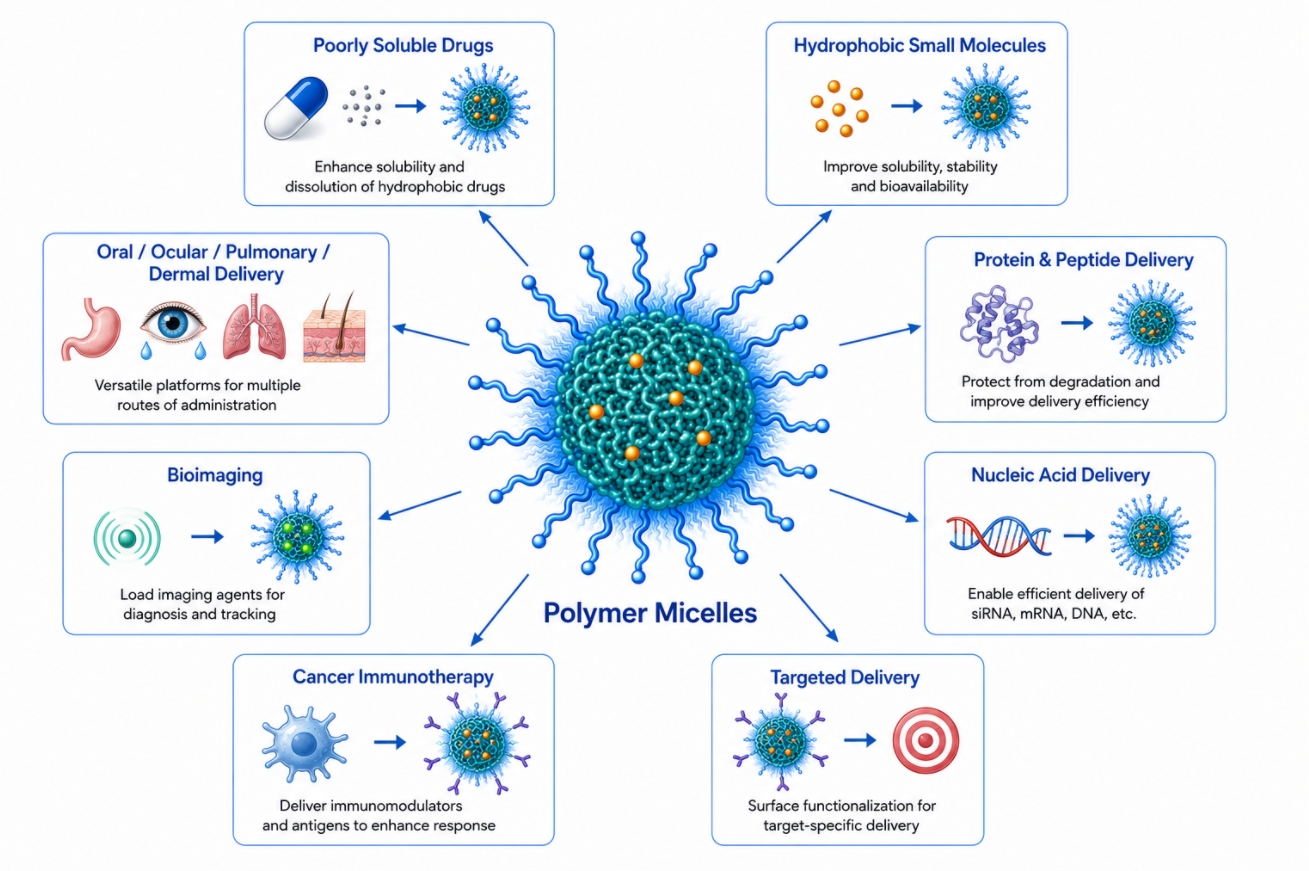 Fig. 4. Polymer micelles support multiple drug delivery and imaging applications (BOC Sciences Authorized).
Polymer Micelles for Protein and Peptide Delivery
Protein and peptide delivery introduces challenges that differ from hydrophobic small-molecule loading. These cargoes may require protection against degradation, control over interfacial denaturation, and careful management of hydration and release. In such systems, the corona can become as important as the core, and surface functionality often plays a larger role than simple hydrophobic partitioning. Protein- and peptide-oriented micelles therefore require a different design logic from classical hydrophobic drug systems.
Polymer Micelles for Nucleic Acid Delivery
Nucleic acid delivery often relies on electrostatic interaction, protective complexation, and the formation of polyion complex micelles or related assemblies rather than simple hydrophobic core loading. These systems must stabilize sensitive charged cargo, support useful release, and often integrate functional corona behavior for interfacial control. As a result, nucleic acid delivery expands polymer micelle design into a more strongly interaction-driven regime.
Polymer Micelles for Poorly Soluble Drugs
One of the best-established application areas for polymer micelles is the formulation of poorly soluble drugs. In these cases, the micelle acts as a nanoscale hydrophobic environment that improves apparent aqueous compatibility and can reduce rapid precipitation. Yet apparent solubility gain is only the beginning. The real formulation question is whether the active remains retained, well distributed, and releasable in a useful way under relevant conditions.
Polymer Micelles for Hydrophobic Small-Molecule Drugs
Hydrophobic small-molecule systems represent the classical core-loading use case for polymer micelles. Here, compatibility between the drug and the core-forming block is critical, as are loading strategy, retention, and release profile. Some molecules are excellent micelle candidates, while others leak, repartition, or crystallize too readily. This application area is therefore both highly practical and highly dependent on careful formulation logic.
Polymer Micelles for Oral, Ocular, Pulmonary, and Dermal Delivery
Non-invasive delivery routes place polymer micelles in very different barrier environments. Oral systems face gastrointestinal dilution and media complexity. Ocular systems face tear clearance and short surface residence. Pulmonary systems depend on deposition and local redistribution. Dermal systems depend on skin-surface presentation and barrier-facing release. These route-specific demands mean that a useful micelle for one route may require significant redesign for another.
Polymer Micelles for Cancer Immunotherapy and Immune-Oriented Delivery
In cancer immunotherapy, polymer micelles are increasingly valued not just as carriers, but as materials systems that can shape local exposure, combination strategy, and tumor microenvironment interaction. Their role may include supporting immune-modulating cargo, co-delivering complementary components, or controlling local release in ways that strengthen immune-oriented treatment logic. These applications require a more sophisticated connection between structure and biological function than conventional hydrophobic loading alone.
Polymer Micelle Platforms for Sustained and Targeted Drug Delivery
Sustained and targeted delivery represents a broader strategic use of polymer micelles. In these systems, the carrier is designed not only to load cargo, but also to support longer retention, route-adjusted release, or targeting-related interfacial behavior. The challenge is that stronger persistence and added targeting complexity can also reduce structural simplicity and interpretability. Successful designs balance those competing demands.
Polymer Micelles for Bioimaging and Imaging-Guided Systems
Beyond delivery, polymer micelles can function as imaging platforms by organizing optical or multimodal probes within a defined nanoscale environment. In these systems, signal generation depends on probe placement, micelle stability, and route- or environment-specific behavior. Imaging-oriented micelles therefore extend the platform into structure-signal design, where probe loading, signal control, and responsive behavior become as important as colloidal properties.
Choosing Polymer Micelles Over Other Delivery Platforms
Polymer micelles are attractive because they combine nanoscale self-assembly, tunable structure, and broad cargo relevance. Even so, they are not the right solution for every formulation problem. A useful platform comparison asks when the dynamic core-shell nature of a micelle is an advantage and when a more rigid, simpler, or more strongly entrapping carrier might work better. This section provides that decision-level perspective.
When Polymer Micelles Are a Strong Fit
Polymer micelles are especially strong when the main challenge involves poor aqueous compatibility, the need for a nanoscale dispersed state, or the need to tune release and interfacial behavior through a soft self-assembled structure. They are also useful when block copolymer design can be exploited to match a specific cargo or route-specific environment. In these cases, the dynamic nature of the micelle becomes an asset rather than a weakness.
Polymer Micelles vs Conventional Micelles
Compared with conventional micelles, polymer micelles often offer lower CMC, slower disassembly, and greater structural tunability. These features can make them better suited for demanding delivery tasks. However, conventional micelles may still be useful where simplicity, fast assembly, or low synthetic complexity is preferred. The best choice depends on whether persistence and architectural control matter enough to justify the added polymer design burden.
Polymer Micelles vs Nanoparticles vs Microspheres
Compared with denser nanoparticles or microspheres, polymer micelles are usually more dynamic and more dependent on solvent conditions. This can make them more adaptable, but also more sensitive to dilution and media change. Matrix-type carriers may provide stronger entrapment and slower release where rigid structure is needed. Polymer micelles are most compelling when their self-assembly provides a meaningful benefit that a fixed matrix would not.
When Another Carrier Works Better
Another platform may work better when the micelle cannot retain the cargo effectively, when route conditions destabilize the assembly too quickly, or when the formulation requires stronger long-term structural persistence than a dynamic micelle can provide. In those cases, the platform should be reconsidered on function rather than familiarity. Carrier choice is strongest when it follows the problem, not the trend.
Polymer Micelle Design, Formulation, and Evaluation Support
At BOC Sciences, we support polymer micelle development as an integrated design and formulation problem rather than as a single preparation step. For a pillar topic like polymer micelles, that means helping researchers move from amphiphilic polymer selection to route-aware formulation, characterization, stability analysis, and application-oriented optimization. Our support is structured around the same logic that defines successful micelle systems: rational polymer architecture, controlled self-assembly, meaningful loading, interpretable release, and route- or cargo-specific performance evaluation.

Amphiphilic Polymer and Block Copolymer Design
- Design of amphiphilic polymers for core-shell micelle formation and route-specific delivery tasks.
- Support for selecting hydrophilic and hydrophobic segments according to loading, stability, and release goals.
- Custom development through polymer synthesis services.
- Guidance on connecting molecular architecture with expected self-assembly behavior.
Micelle Formulation and Preparation Support
- Optimization of direct dissolution, dialysis, thin-film hydration, and related preparation routes.
- Support for improving loading distribution, micelle quality, and formulation reproducibility.
- Refinement of route- and cargo-specific systems through polymer modification support.
- Practical guidance on formulation strategy for hydrophobic drugs, biomacromolecules, and advanced applications.
Characterization, Stability, and Release Evaluation
- Analytical workflows for size, morphology, self-assembly behavior, loading, and release assessment.
- Support for correlating structure with dilution stability, retention, and responsive behavior.
- Integrated testing through polymer characterization services.
- Evaluation strategies designed around formulation relevance rather than isolated measurements.
Application-Oriented Development Support
- Support for micelle systems aimed at small-molecule delivery, biomolecular cargo, route-specific use, imaging, and immune-oriented designs.
- Material selection for amphiphilic polymers, functional segments, and advanced formulations.
- Morphology-focused analysis via polymer structure morphology analysis.
- Development guidance that matches carrier design to the intended application rather than forcing one platform across all tasks.
Do You Need A Consultation?
BOC Sciences provides tailored support for polymer micelle design, formulation development, and structure-property evaluation across drug delivery and related research applications.
Unlock New Possibilities with Tailored and High-Performance Polymers
Frequently Asked Questions
-
What are polymer micelles?
Polymer micelles are self-assembled core-shell nanostructures formed by amphiphilic polymers in selective solvents. Their hydrophobic core can host compatible cargo, while the hydrophilic corona stabilizes the assembly in the surrounding medium. In drug delivery, they are used as tunable carriers for solubilization, retention, release control, and route-specific formulation design.
-
How do polymer micelles differ from conventional micelles?
Polymer micelles are usually formed from higher-molecular-weight amphiphilic polymers, which often gives them lower CMC values, slower chain exchange, and greater structural persistence than conventional surfactant micelles. They also offer broader architectural tunability. However, their behavior is more dependent on polymer design and preparation history, so they are not simply interchangeable with small-molecule micellar systems.
-
Why is block copolymer design important in polymer micelles?
Block copolymer design determines how strongly the micelle forms, what size and morphology it adopts, how stable its core remains, and how well it interacts with cargo and surrounding media. Hydrophilic-hydrophobic balance, molecular weight, block ratio, and architecture all influence performance, which is why polymer micelles must be designed at the molecular level rather than formulated generically.
-
What does CMC mean in polymer micelles?
CMC refers to the concentration range where amphiphilic polymer chains begin to assemble into micelles instead of remaining mainly as dispersed unimers. In polymer micelles, it is a useful indicator of self-assembly tendency and dilution sensitivity, but it does not alone define formulation quality. CMC should be interpreted together with morphology, loading, retention, and stability data.
-
Which drugs are most suitable for polymer micelles?
Hydrophobic and poorly soluble small molecules are among the most common and suitable polymer micelle cargoes because the core can provide a favorable nanoscale environment for loading and controlled release. That said, proteins, peptides, nucleic acids, and imaging probes can also be incorporated when the micelle is redesigned appropriately for their interaction, stability, and release requirements.
-
Why are multiple characterization methods needed for polymer micelles?
Multiple methods are needed because no single measurement can reveal the full behavior of a polymer micelle. Size analysis shows colloidal state, microscopy verifies morphology, CMC reflects self-assembly tendency, and loading or release tests reveal formulation performance. A polymer micelle is best understood when structure, stability, and functional behavior are interpreted together rather than separately.